Murder logic comparison
Murdoku vs Murdle: two different ways to solve a murder
Murdoku and Murdle are separate puzzle series. Both turn deduction into a whodunnit, but Murdoku is spatial placement on an illustrated map while Murdle uses a classic logic-grid investigation.
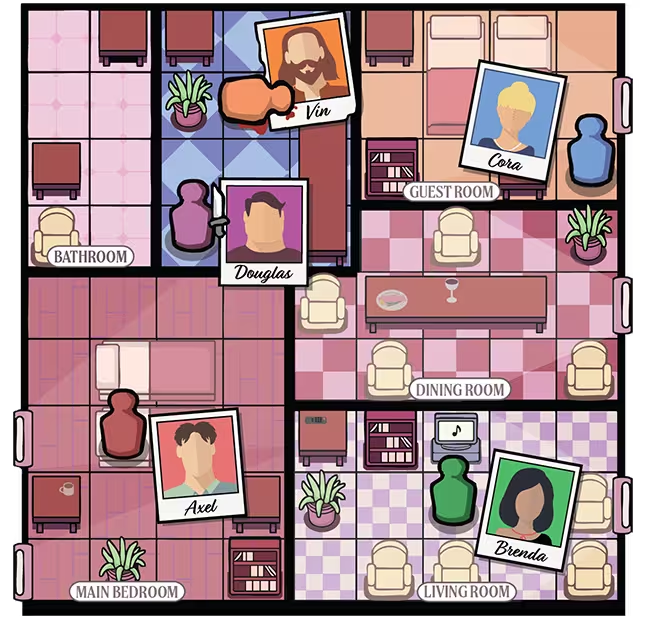
- Murdoku core
- Place people on a map
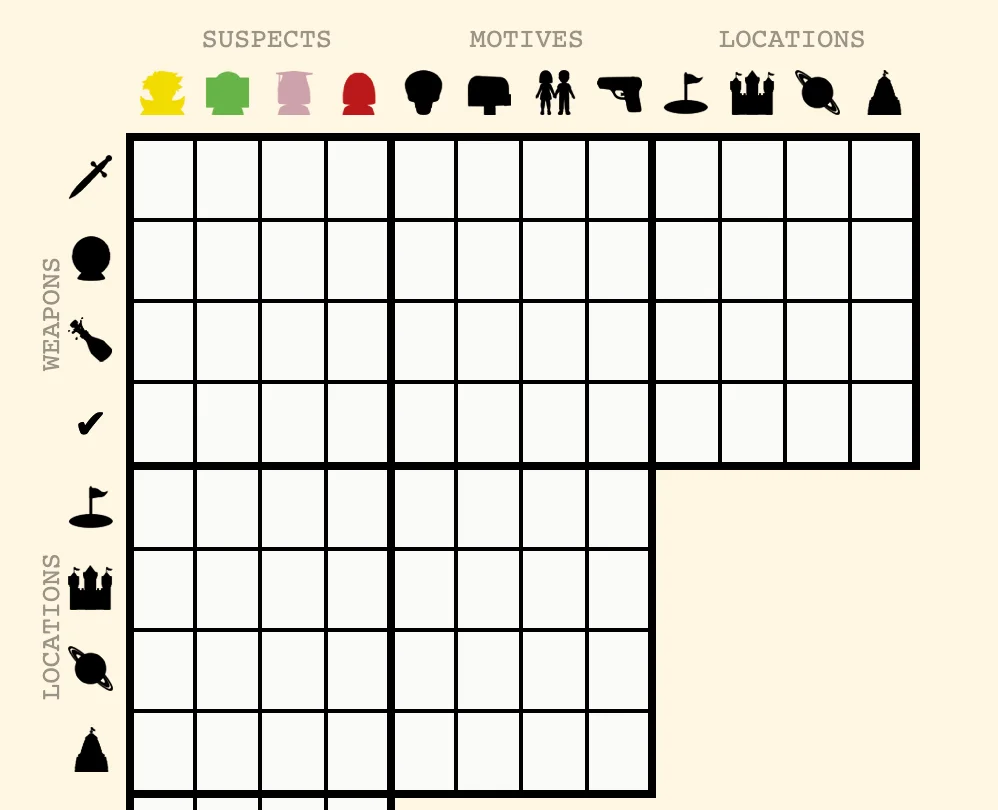
- Murdle core
- Match suspects, places, and evidence
- Same series?
- No
The core difference
In Murdoku, every suspect must occupy a legal square on a colored crime-scene map. Row and column restrictions interact with clues about rooms, objects, directions, and other people. The killer is identified after the placement is complete. Murdle instead asks you to cross-reference categories in a logic grid until the suspect, location, weapon, or motive combination is determined.
Side-by-side comparison
The better choice depends on whether you enjoy spatial reasoning or category matching.
| Feature | Murdoku | Murdle |
|---|---|---|
| Main surface | Illustrated map | Logic grid and case clues |
| Sudoku influence | One person per row and column | Indirect; primarily grid deduction |
| Clue style | Rooms, objects, directions, relationships | Suspects, locations, weapons and case statements |
| Visual role | Map art is evidence | Text and category grid lead |
| Digital option | Official browser cases | Official daily browser puzzle |
| Book experience | Large illustrated spatial cases | Shorter case-file logic mysteries |
Which is easier to learn?
Murdle feels familiar to anyone who has solved zebra puzzles or classic logic-grid magazines. Murdoku has fewer category columns, but the map itself carries rules that must be read carefully. Beginners often understand the goal quickly in both; the difficulty comes from maintaining several constraints at once.
What about Murdle Jr for children?
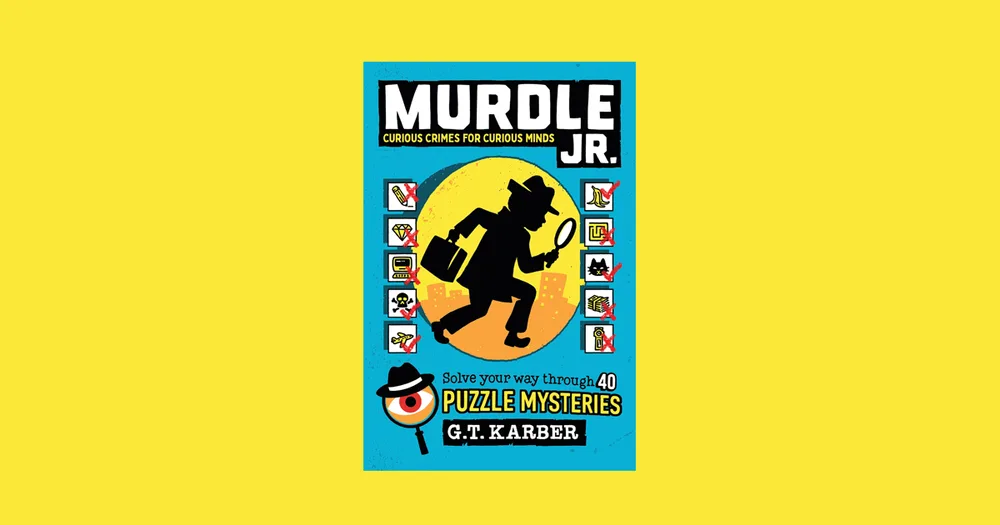
Murdle Jr is an official child-focused branch of Murdle, not a children's edition of Murdoku. Its official site describes 40 mysteries with suspects, locations, clues, and a helper grid. For a younger solver, compare reading load and category-grid comfort rather than assuming the word Junior makes it mechanically identical to Murdoku.
Which one should you choose?
Choose Murdoku if room boundaries, map objects, coordinates, and Sudoku-style row/column pressure sound satisfying. Choose Murdle if you prefer written case files, tidy category elimination, and a daily-puzzle rhythm. They complement each other better than they substitute for each other.
- For visual-spatial deduction: Murdoku.
- For classic logic-grid deduction: Murdle.
- For variety: play the free online entry for each before buying books.
Murdoku vs Murdle FAQ
Are Murdoku and Murdle made by the same creator?
No. They are separate brands and puzzle series.
Which one is more like Sudoku?
Murdoku uses an explicit one-person-per-row-and-column constraint, so its mechanical link to Sudoku is stronger.
Is Murdle Jr a children's version of Murdoku?
No. Murdle Jr belongs to the separate Murdle series and uses its own child-focused logic mysteries.
Which is better for beginners?
Choose based on thinking style: maps and coordinates for Murdoku, category grids for Murdle.
Related guides
Sources checked
Murdoku and Murdle are independent properties. This comparison is unaffiliated with either creator.